Aircrew Parachute Harness/Pack – Vulcan & Victor Crew Seats: Aviation Harness and Pack System
Aircrew Parachute Harness/Pack – Vulcan & Victor Crew Seats: Aviation Harness and Pack System
Blog Article
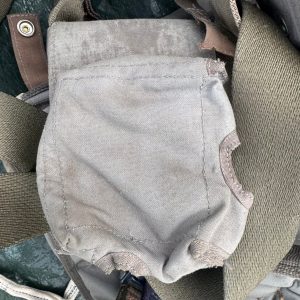
The Aircrew Parachute Harness/Pack – Vulcan & Victor Crew Seats combines historical aviation interest, crew-seat integration potential, harness construction, and emergency-equipment significance.
An Aviation Parachute Harness and Pilot Parachute Harness should be identified through labels, part numbers, manufacturing records, and configuration-specific information.
Whether buyers seek an Aircraft Emergency Parachute Harness, Aircrew Safety Harness, Flight Crew Parachute Harness, Emergency Parachute Harness, or Military Aircrew Harness, exact system identity should guide evaluation.
An Aviation Emergency Escape Harness may include webbing, fittings, attachment points, adjustment hardware, container-related components, and seat-interface click here features depending on the exact design.
An Aviation Safety Harness can appear visually complete while containing age-related webbing, corrosion, damaged stitching, altered fittings, or missing components.
Historic Vulcan and Victor Crew-Seat Equipment
The offered harness and pack should be identified through visible labels, part numbers, contract markings, manufacturer information, dates, inspection stamps, and known aircraft-seat relationships.
Complete package information helps buyers estimate restoration needs and historical value.
Aviation Parachute Harness Construction
Metal hardware can corrode, crack, deform, seize, or develop sharp edges that damage surrounding material.
Stitching should be reviewed for broken threads, fading, contamination, pulled sections, loose patterns, unauthorized repair, and separation from the webbing.
Pilot Parachute Harness Fit and Adjustment
An aged harness should not be worn or adjusted forcefully when webbing, buckles, or fittings may be fragile.
Buckles and adjusters should move without excessive force, binding, corrosion, cracking, deformation, or damage to adjacent webbing.
Emergency Harness System Integration
An Aircraft Emergency Parachute Harness is intended to connect the wearer securely with a compatible parachute and escape system during emergency procedures.
Unknown alterations should be recorded rather than removed immediately.
Choosing an Aircrew Safety Harness
Accurate identification supports museum displays, restorations, archival records, and specialist collections.
Metal parts should be isolated from materials that may encourage corrosion or staining.
Historic Flight Equipment Condition Review
The listing should note webbing color, flexibility, staining, fraying, stitching, hardware condition, labels, odor, storage marks, repairs, and missing parts.
Documented history can add substantial collector value.
Harness Hardware Evaluation
A documented inspection preserves both technical information and collector value.
Leather or rubber components may harden, shrink, crack, or become brittle during storage.
Historic Military Aviation Harness Equipment
A Military Aircrew Harness associated with Vulcan and Victor crew seating can hold significant interest for collectors of British military aviation, historic aircraft equipment, and Cold War-era artifacts.
The equipment should be mounted through reversible methods that avoid cutting, drilling, gluing, or permanently altering original material.
Military Aircraft Escape System Components
System-level research improves historical accuracy and buyer understanding.
Incorrect assembly for display can damage components or create a misleading configuration.
Parachute Harness Assembly Components
A pack exterior does not prove that a canopy, pilot chute, deployment components, or internal equipment remain present.
Small fittings, retainers, straps, pins, covers, or connectors may have significant restoration value.
Maintaining Aircrew Safety Equipment
Aircraft Crew Safety Equipment may include harnesses, parachute packs, helmets, oxygen equipment, survival gear, restraints, life preservers, and emergency signaling devices.
Aggressive washing, chemical treatment, polishing, repainting, or hardware replacement can reduce originality and damage materials.
Choosing Aircrew Survival Components
A harness/pack associated with Vulcan or Victor crew seats can contribute to research into military cockpit equipment and emergency procedures.
The product listing should identify whether the item is original, restored, repaired, modified, reproduction, mixed-component, or unverified.
Pilot Parachute Pack Integration
Historic parachute equipment may have exceeded original service intervals or contain materials affected by age and storage.
Responsible handling protects the Pilot Emergency Parachute System and its provenance.
Preserving an Aviation Harness Assembly
The item should remain removable for inspection and future conservation.
Public displays should include clear information explaining the item’s aircraft association, approximate period, purpose, condition, and nonoperational status where appropriate.
Flight Parachute Harness Buying Guide
A collector may prioritize originality and aircraft association, while a restoration buyer may focus on matching fittings and seat compatibility.
Price should reflect the complete evidence rather than aircraft-name keywords alone.
Avoiding Incorrect Harness Substitution
A harness associated with one Vulcan or Victor seat position may differ from equipment used by another crew member.
Incorrect routing can damage webbing, bend fittings, or create false wear patterns.
Aircrew Harness Pre-Purchase Checklist
The buyer should request enough information for a parachute specialist, military aviation historian, conservator, or experienced collector to evaluate the item.
- Determine whether the canopy, deployment components, release equipment, inspection cards, storage bag, manuals, or other items are included.
- Do not treat clean appearance, original labels, or previous inspection stamps as proof of current operational suitability.
- Retain purchase records, photographs, provenance documents, packaging, and condition reports with the collection or restoration file.
Long-Term Harness and Pack Care
Straps should follow broad natural curves rather than sharp folds that concentrate stress.
The item should be inspected periodically for corrosion growth, mildew, pest activity, staining, webbing changes, odor, hardware movement, and storage damage.
Military Aviation Museum Display
Adhesives, staples, screws, drilling, cutting, or irreversible sewing should be avoided.
Any reproduced or replacement components should be labeled clearly.
Aircrew Harness Condition Monitoring
Maintenance of historic aircrew parachute equipment should prioritize preservation, documentation, gentle handling, and prevention of further deterioration.
Repairs intended for display should remain reversible and clearly documented.
Buying Historic Military Aircrew Parachute Equipment
The Aircrew Parachute Harness/Pack – Vulcan & Victor Crew Seats offers stronger commercial appeal when labels, webbing, fittings, pack components, history, and documentation are presented transparently.
The strongest purchasing decision begins with confirming part numbers, manufacturer, production period, crew-seat relationship, webbing condition, stitching, hardware, pack contents, repairs, storage history, provenance, and intended sale status.
Whether collectors search for an Aviation Safety Harness, Flight Parachute Harness, or Aircraft Parachute Equipment, historical value should remain separate from operational suitability.
With verified provenance, careful inspection, protected storage, reversible display methods, organized documentation, and responsible conservation, the harness/pack can provide lasting historical value.
Report this page